Pest Control Services in Warren County for Year-Round Protection Plans
A one-time spray can solve a visible problem. It rarely solves the reason the problem showed up in the first place.
That distinction matters in Warren County, where pest pressure changes with the seasons and with the kind of property involved. A farmhouse near wooded acreage does not deal with the same issues as a newer subdivision home on a compact lot. A restaurant off a busy corridor has a different risk profile than a small office, and both differ from a lake-area vacation property that sits empty for stretches of the year. Effective pest control is not just about reacting quickly. It is about building a protection plan that accounts for weather, structure, landscaping, sanitation, and timing.
That is why more property owners are looking beyond single visits and asking what year-round coverage actually includes. Good Pest Control Services Warren County residents can rely on are built around prevention, inspection, and smart follow-up. The work is less dramatic than people imagine, but usually more effective. Most of the value comes from the details, sealing an entry point before mice move in, spotting termite conditions before damage starts, or interrupting a summer ant cycle before it turns into a kitchen invasion.
Why year-round service works better than one-off treatments
When people first call for pest control, they usually have a specific issue in mind. They saw ants in the pantry, heard scratching in the attic, found a wasp nest near the garage, or noticed mouse droppings under the sink. The urgent problem gets all the attention. What often gets missed is that pests operate on a calendar.
In spring, moisture and warming soil bring ant activity, termite swarms, and a steady rise in stinging insects. Summer expands mosquito populations, fly pressure, and outdoor nuisance pests that eventually move indoors. Fall is prime time for rodents looking for shelter, and winter turns hidden harborage areas into active nesting spaces. A treatment that works well in June may do little for a rodent issue in November if the home has not been inspected and fortified in advance.
A year-round plan creates continuity. Instead of starting from zero every time a problem appears, the technician builds a service history for the property. They know where activity has shown up before, which side of the home holds moisture after rain, where mulch is too deep against the foundation, and whether the basement utility line gap was ever sealed. That familiarity saves time and often prevents repeat infestations.
There is also the issue of life cycles. Many pests are easier to control at specific stages. You get better results when treatments and exclusion work match the biology of the target. That is one reason experienced providers lean hard on inspection schedules and seasonal adjustments rather than promising a universal treatment that handles everything equally well.
What Warren County properties are really up against
Warren County presents a mix of suburban neighborhoods, older homes, rural parcels, commercial corridors, and properties near water or wooded edges. That variety changes pest behavior.
Older homes often have more gaps, aging door sweeps, and utility penetrations that were never sealed to modern standards. Crawl spaces and unfinished basements tend to hold moisture, which attracts insects and supports conditions termites like. Newer homes can have their own issues, especially if grading channels water toward the foundation or if landscaping was installed too tightly against exterior walls.
Rural properties have more interaction with field mice, voles, occasional larger wildlife pressure, and insects that thrive along fence lines, barns, sheds, and wood piles. Homes near tree cover may see more carpenter ants, spiders, and seasonal invaders such as stink bugs or boxelder bugs. Properties near ponds or drainage areas can face heavier mosquito and midge activity through warm months.
Commercial settings add another layer. Food service sites, warehouses, apartment buildings, and medical offices all have different thresholds for pest tolerance and different reporting needs. The right service plan has to reflect that. A technician treating a family home can often work around routines and target quiet areas over time. A technician servicing a restaurant or multifamily building has to think about sanitation, tenant cooperation, access timing, and documentation.
The backbone of a strong protection plan
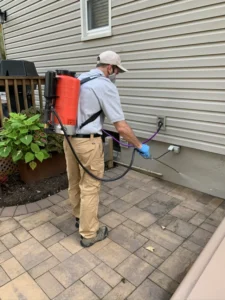
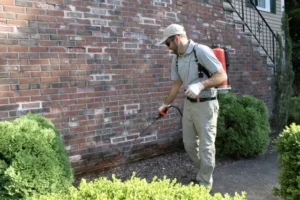
The most reliable year-round programs usually combine inspection, exterior defense, interior monitoring when needed, and clear communication. The first visit matters more than many people realize. A quick walk around the house with a sprayer is not enough. A thorough initial service should identify conducive conditions, active entry points, signs of nesting, moisture concerns, and any structural details that raise the risk of recurring issues.
The difference between average and excellent pest management often comes down to diagnosis. Ants are a good example. Homeowners may describe every small dark ant as the same pest, but treatment strategy changes depending on the species. Pavement ants, odorous house ants, and carpenter ants do not behave the same way. Carpenter ants, in particular, raise a different concern because they can indicate wet wood or decaying structural material nearby. If the technician does not identify the pest correctly, the service may provide temporary relief without addressing the source.
Rodent control is another area where shortcuts show. Traps alone rarely solve a mouse problem if exterior gaps remain open. On the other hand, exclusion work without population reduction can leave active mice inside walls and utility spaces. The best plans treat rodent management as a system, inspection, sealing, monitoring, and follow-up.
A solid year-round program generally includes:
- seasonal inspections that reflect changing pest pressure
- targeted treatments based on actual activity, not blanket application everywhere
- exclusion recommendations for cracks, gaps, vents, sweeps, and utility openings
- monitoring for higher-risk pests such as rodents, termites, or recurring ant species
- service documentation that helps track patterns over time
That list looks simple on paper. In practice, each part requires judgment. Not every home needs the same frequency or the same product approach. The point is not to do more for the sake of doing more. It is to do the right work at the right time.
Spring through winter, what changes and why
A year-round plan should feel different in April than it does in October. If it does not, it is probably too generic.
Spring usually starts with inspection and reset. Winter may have hidden activity, especially in attics, basements, garages, and crawl spaces. As temperatures rise, ants begin foraging, termites may swarm, and overwintering insects become visible around windows and doors. This is when exterior conditions matter. Excess mulch, wet leaf buildup, clogged gutters, and wood-to-soil contact all deserve attention because they create shelter and moisture.
Summer service often shifts toward perimeter maintenance, mosquito or yard treatments where applicable, and fast response to stinging insects. Warm weather accelerates insect activity. Wasps and hornets can establish nests quickly under eaves, behind shutters, and around sheds. Outdoor eating areas attract flies and yellowjackets. Properties with pets, irrigation, or dense plantings may see more fleas, ticks, or moisture-loving insects.
Fall is the season many technicians circle on the calendar because rodent pressure ramps up fast. Mice do not need much space to enter. A gap around a line set, a worn garage threshold, or a missing vent screen can be enough. Cooler nights also push occasional invaders toward structures. Stink bugs, lady beetles, and cluster flies often become more noticeable then, and by the time homeowners see them indoors, the insects may already be inside wall voids or attics.
Winter service is quieter on the surface, but important. This is when technicians often confirm whether exclusion held, check rodent monitors, evaluate interior signs, and plan for the next surge. Winter can also expose hidden moisture problems because condensation and reduced ventilation make some spaces more hospitable to pests than owners expect.
What homeowners should expect from a serious provider
A professional service call should not feel rushed. Even if the visible issue is straightforward, the technician should ask useful questions. When did the activity start? Is it constant or intermittent? Has weather changed recently? Are there pets, recent renovations, stored food issues, or drainage problems? Those details shape the plan.
The inspection should also go beyond where the customer first noticed the problem. For example, if ants are showing up in an upstairs bathroom, an experienced technician may still spend time outside looking at vegetation contact, siding seams, and foundation lines. If mice are active in a finished basement, the inspection should include the garage, utility penetrations, sill plates, attic access, and any storage areas where nesting material is available.
Good communication is another mark of a strong company. Customers should understand what was found, what was treated, and what still needs attention. If the problem relates partly to sanitation or storage habits, that should be explained directly but professionally. Pest control works best when both sides understand their role.
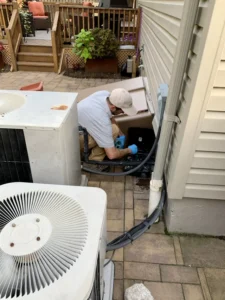
One practical sign of quality is whether the provider gives specific recommendations rather than broad warnings. “Seal exterior gaps” is vague. “There is a half-inch opening where the AC line enters on the east wall, and the garage door sweep is worn along the bottom right corner” is useful.
The balance between treatment and prevention
Some customers want everything treated heavily and immediately. Others prefer the lightest possible touch. Most real-world service plans sit between those extremes.
Overapplication is not a sign of expertise. It can be wasteful, unnecessary, and sometimes less effective than targeted work. At the same time, purely reactive service often leaves property owners in a cycle of repeated call-backs. The most dependable programs combine measured treatment with prevention steps that reduce the need for future intervention.
This balance becomes especially important around children, pets, food-prep areas, and sensitive commercial environments. Skilled technicians know how to choose methods appropriate to the setting. Crack-and-crevice treatment, baiting, exclusion, habitat reduction, trapping, and monitoring all have a place depending on the pest and the location. A blanket approach ignores too many variables.
There is also a cost question. Some homeowners hesitate at the price of year-round plans until they compare it with repeated emergency visits, damaged insulation from rodents, ruined food inventory, carpenter ant damage in wet framing, or a wasp problem that keeps shutting down outdoor use. Preventive service is not free, but it is often cheaper than instability.
Common trouble spots that deserve attention
The most pest-prone areas of a property are not always the obvious ones. Kitchens and bathrooms get noticed because people spend time there, but infestations often begin elsewhere.
Exterior utility entries are frequent weak points. So are garage corners, attic vents, crawl space access doors, and deck connections. In basements, the trouble can be as simple as stored cardboard against a damp wall. In yards, it may be firewood stacked too close to the house or shrubs that keep foundation lines shaded and wet.
A technician who has serviced Warren County properties through several seasons learns to notice these patterns quickly. One home may have recurring spring ants because mulch is banked too high and irrigation keeps the soil damp. Another may have repeated fall mouse issues because the garage is cluttered, pet food is stored in bags, and the bottom seal no longer meets the slab. The pests are different, but the lesson is the same. Conditions drive infestations.
Termites deserve their own conversation
Termites are not part of every general pest plan, but they should always be part Pest Control Services Warren County of the broader protection conversation. Homeowners often assume they will see obvious signs before damage becomes significant. That is not a safe assumption. Subterranean termites can remain hidden for a long time, moving through soil, foundation cracks, and concealed structural areas.
In Warren County, termite risk depends on construction type, moisture conditions, previous treatment history, and environmental factors around the property. Homes with chronic drainage issues, wood-to-soil contact, or untreated additions deserve close attention. Even if a customer is primarily calling about ants or rodents, a sharp technician will still note termite-conducive conditions when present.
The practical value of a year-round relationship is that small changes get noticed. A mud tube near a foundation seam, soft trim around a window, or dampness in a crawl space may not mean active termites, but these are exactly the sorts of details that can get missed in a one-time visit focused on a different complaint.
Commercial properties need tighter systems
For commercial spaces, year-round pest control is less about convenience and more about risk management. Reputation, inspections, tenant satisfaction, and operational uptime all ride on consistency.
A restaurant can lose money quickly if flies, cockroaches, or rodents appear in customer-facing areas. A warehouse may struggle with stored product pests or rodent movement along loading docks. Office buildings often face recurring ant and occasional invader issues tied to break rooms, janitorial closets, or landscaping around entrances. Multifamily housing adds the complication of shared walls, variable housekeeping standards, and access limitations.
What works in these environments is not guesswork. It is a structured service plan with regular inspections, sanitation guidance, exclusion, documentation, and responsive follow-up. The details vary by industry, but the principle remains the same. Prevention is cheaper and less disruptive than crisis response.
Questions worth asking before you sign up
Choosing among Pest Control Services Warren County offers can feel confusing because many plans sound similar at first glance. The wording may promise protection, coverage, or peace of mind, but the substance is in the details.
Before committing, ask a few direct questions:
- How often are routine service visits scheduled, and what changes seasonally?
- What pests are covered under the plan, and which require separate treatment?
- Are follow-up visits included if activity appears between scheduled services?
- Will the technician provide exclusion recommendations, or only treatment?
- Is the service approach customized to the property, or standardized for every account?
A reputable company should answer clearly without dancing around limitations. Not every provider handles wildlife. Not every general plan includes termites, mosquitoes, or bed bugs. That does not make the service bad, but it should be transparent.
Small homeowner habits that make professional service more effective
Even the best pest control plan works better when the property supports it. This is not about perfection. It is about removing easy opportunities.
Pet food stored in sealed containers causes fewer problems than open bags in a garage. Gutters that drain properly create fewer moisture issues than downspouts that dump near the foundation. A neat storage room is easier to inspect than one packed floor to ceiling with cardboard. None of those steps replaces professional service, but each one makes the property less attractive to pests and makes active problems easier to spot early.
One detail people overlook is timing. Calling at the first sign of activity usually keeps the fix simpler. Waiting until a minor issue becomes an entrenched pattern can turn a basic treatment into a multi-visit problem with exclusion and repairs layered on top.
The real value of a year-round plan
The best year-round pest control does not just remove pests. It reduces uncertainty.
You know someone is watching the property across seasons. You know changes in activity are being tracked rather than treated as isolated events. You know a mouse sighting in November, an ant flare-up in May, and a moisture issue near the crawl space are not separate stories, but parts of the same larger picture of how the building functions.
That is the difference between occasional service and actual protection. For homeowners, it means fewer surprises and fewer recurring headaches. For businesses, it means fewer disruptions and better control over risk. In a place like Warren County, where weather, landscape, and building styles create year-round pest opportunities, that kind of continuity is not a luxury. It is the practical way to stay ahead.
When evaluating Pest Control Services Warren County property owners can use for lasting results, look past the sales language and focus on process. Strong inspection habits, seasonal adjustments, honest communication, and preventive thinking are what separate a plan that merely sounds comprehensive from one that truly is.
Affordable Pest Solutions LLC
Budd Lake, NJ 07828 (service-area business)
Serving Warren, Morris and Sussex Counties, New Jersey
Phone: +1 973-229-9547
FAQ About Pest Control Services Warren County
How much does pest control cost in NJ?
The cost depends on the pest, the size of the property, the extent of activity and whether follow-up visits are needed. Ask for an inspection and a written estimate that explains the treatment scope and any ongoing service charges. Affordable Pest Solutions offers free estimates for properties in its service area.
What are the most common household bugs in New Jersey?
Ants, cockroaches, stink bugs and spiders are among the pests that residents may encounter in New Jersey homes. Activity varies by season, moisture conditions and available entry points. Correct identification helps determine whether exclusion, sanitation, monitoring or professional treatment is appropriate.
What kind of bugs infest homes?
Ants, cockroaches and termites can establish persistent activity in or around homes. The signs and appropriate response differ by pest: trails, droppings, shed wings or damaged wood may warrant closer inspection. A pest professional can identify the cause and recommend a plan suited to the property.