How Ongoing Pest Control Services Sussex County Keep Infestations Away
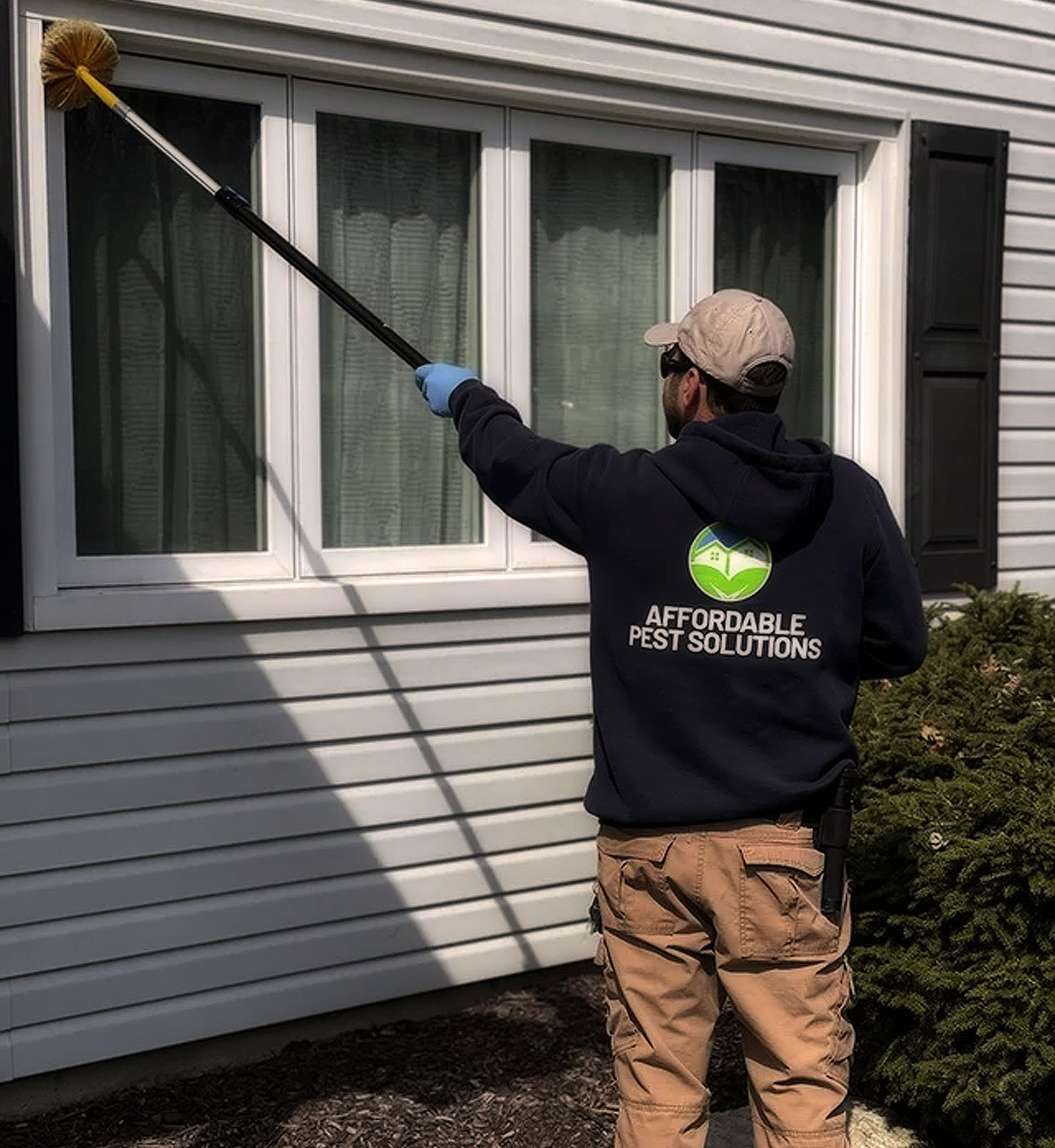

Pest problems rarely begin with a dramatic moment. Most start quietly, behind a baseboard, under a crawl space hatch, along a damp sill plate, or in the gap where a utility line enters the house. By the time a homeowner sees ants marching across a counter or hears scratching in the attic, the conditions that attracted pests have often been in place for weeks or months. That is why recurring service works better than one-time treatments in so many cases. The goal is not simply to kill what is visible. It is to break the cycle that allows pests to return.
In Sussex County, that cycle is shaped by local conditions. The mix of seasonal humidity, wooded lots, coastal influence in some areas, agricultural surroundings in others, and a housing stock that ranges from older homes to newer developments creates a steady stream of opportunities for insects and rodents. Ongoing pest control is effective because it matches that reality. It treats pest pressure as something to be managed over time, not as a single event.
Homeowners often call only when they have reached a breaking point. A trail of odorous house ants in the kitchen. Wasps under the eaves. Mice droppings in the pantry. Termite swarmers around a window in spring. Those moments feel urgent, and they are. But the most successful pest programs are built around what happens after the emergency. A well-run service plan keeps the property under observation, adjusts treatments to the season, and catches changes before they become expensive infestations.
Why pests keep coming back without a plan
A one-time service can solve a specific problem. It can knock down a yellowjacket nest, reduce a visible ant population, or remove an active rodent presence. What it usually cannot do, on its own, is change the long-term conditions that invite pests in the first place.
Take ants as an example. People often assume the ants they see are the problem. In reality, the visible trail is just the working edge of a much larger colony. Spray the trail, and it may disappear for a day or two. If the colony remains established under the slab, near a foundation planting bed, or inside a wall void, the activity often returns. The same pattern applies to cockroaches, spiders, mice, and many occasional invaders. The visible pest is only the symptom.
Ongoing service shifts attention from reaction to prevention. A technician who returns regularly can monitor recurring hotspots, spot moisture issues, adjust bait placements, and identify structural vulnerabilities. That matters because pest pressure changes over the year. What draws spring ants is not the same thing that drives autumn rodents indoors. A service plan recognizes that pest control is seasonal work, and Sussex County gives every season its own challenges.
Sussex County conditions that make routine service worthwhile
Local geography and weather patterns matter more than many people realize. Homes near wooded edges often see more carpenter ants, spiders, and rodents. Properties with standing water or poor drainage may face more mosquitoes and moisture-loving insects. Homes close to open fields can experience periodic surges in mice once temperatures drop or after harvesting changes food availability outdoors.
Humidity also plays a large role. Damp crawl spaces, leaky hose bibs, clogged gutters, and poorly ventilated basements create ideal conditions for several pests. Even when a home appears clean and well maintained, a hidden moisture source can support springtails, centipedes, cockroaches, or termites. In my experience, some of the most persistent infestations show up in houses that are spotless inside but have unnoticed water management problems outside.
Older homes bring another layer of complexity. Settling creates gaps. Previous repairs leave unsealed penetrations. Stone foundations, aging weatherstripping, and warped trim give pests exactly what they need, shelter and access. Newer homes are not immune either. Construction gaps around garage doors, utility entries, and attic vents are common. A quarterly or bi-monthly service schedule gives a technician repeated chances to catch these issues while they are still small.
This is one reason Pest Control Services Sussex County are often structured as ongoing relationships rather than one-off visits. Local properties do not face a single pest risk. They face a rotating cast of them.
What ongoing service actually includes
People sometimes hear “ongoing pest control” and imagine someone spraying the perimeter every few months. A professional program is usually much more deliberate than that. The best providers inspect, document, adapt, and educate. Treatment is only one part of the work.
A regular visit typically begins with questions. Has there been any recent activity in the kitchen, attic, garage, or basement? Have residents seen winged insects, new droppings, fresh webbing, or gnaw marks? Did anything change outside, such as new mulch, stacked firewood, bird feeding, or drainage issues? These details help distinguish a passing nuisance from the early stages of a repeating problem.
Inspection follows. Entry points, foundation lines, crawl spaces, exterior trim, and moisture-prone areas deserve special attention. Indoors, a careful technician looks for subtle signs rather than waiting for obvious ones. A few frass pellets, a rub mark near a sill, a faint musty odor in a utility space, or dead insects near a window can point to a larger story.
Treatment is then tailored to the findings. In some visits, the priority may be exterior exclusion and monitoring. In others, it may involve targeted baiting, crack and crevice treatment, nest removal, or rodent trapping. Strong pest management relies on precision. Broad, routine applications without a reason are less useful than people assume. The most effective programs are the ones that respond to actual pressure and likely risk.
Prevention works because pest behavior is predictable
Pests are not random. They go where food, water, and shelter are available. That sounds simple, but it is what makes preventive service so effective. Once you understand how a property supports pest activity, you can interrupt it.
Mice tend to follow edges, avoid open spaces, and exploit openings much smaller than most homeowners expect. Ants recruit nestmates once a reliable food source is found. Wasps revisit favorable building features year after year. Termites follow moisture and cellulose. Cockroaches thrive where warmth and hidden harborage combine. Spiders settle where insect prey is already present. Every one of those habits can be used against them.
This is where experience matters. A technician who has serviced homes across Sussex County through multiple seasons will recognize patterns quickly. They know that an ant issue in April may trace back to moisture at the foundation. They know that a sudden increase in stink bugs in early fall usually means exterior sealing needs attention. They know that rodent complaints often spike after the first cold snap, but signs may appear weeks earlier around garages and utility rooms.
That accumulated judgment is hard to replace with a do-it-yourself approach. Store products can be useful in narrow situations, but they often address the symptom rather than the route of entry or the reason pests settled there.
The seasonal rhythm of infestation pressure
One of the strongest arguments for ongoing service is that pests do not take turns politely. They overlap. Still, there is a rhythm to the year, and good service plans work with it.
In late winter and early spring, technicians often start watching for early ant activity, overwintering pests becoming visible, and signs of moisture-related insect pressure. This is also the period when termite swarmers may alarm homeowners, especially after a warm spell. Through late spring and summer, stinging insects become more active, mosquito complaints rise, and exterior insect populations build around lights, vegetation, and damp zones. By late summer and fall, rodent prevention becomes urgent. Once nights cool down, homes become attractive shelter. Winter then exposes weaknesses in exclusion work, especially around garages, attics, and basement penetrations.
Without recurring service, homeowners tend to respond one season behind. They call when mice are already inside, when wasps have already expanded a nest, or when ants have already established a consistent interior trail. Ongoing care changes the timing. It gets ahead of the peak.
Small fixes make a disproportionate difference
A surprising amount of successful pest prevention has nothing to do with chemicals. It comes from noticing and correcting the details that support pest survival. During recurring service visits, technicians often identify simple property issues that have an outsized effect on infestation risk.
Here are five examples that regularly make a difference:
- Trimming vegetation away from siding and rooflines, which removes cover and bridges for insects and rodents.
- Correcting moisture problems around gutters, downspouts, and crawl spaces, which reduces attraction for termites, ants, and other moisture-seeking pests.
- Sealing gaps around utility lines, door sweeps, and foundation penetrations, which cuts off easy entry points.
- Storing firewood away from the structure, which lowers the chance of harboring ants, spiders, and rodents near the home.
- Managing food sources such as pet food, bird seed, and unsealed pantry items, which reduces feeding opportunities indoors and around outbuildings.
None of these steps is glamorous. All of them work. In many homes, recurring service succeeds because the technician and homeowner gradually remove the conditions that allowed pests to gain traction.
Why professional monitoring catches problems early
Many infestations look minor until they are not. That is especially true with rodents, termites, and some ant species. A homeowner might notice a single mouse in the garage and assume it wandered in by chance. A technician may connect that sighting to droppings along a wall edge, insulation disturbance, and a quarter-inch gap at a pipe entry. What looked incidental becomes a clear warning.
The same thing happens with termites. A few discarded wings on a windowsill may be the only visible clue a homeowner sees. An experienced inspector looks beyond the wings, checking for moisture, mud tubes, wood softness, and conducive conditions. Early identification can mean the difference between a localized treatment plan and a major repair bill.
There is also a practical point here. Many people are busy enough that they do not inspect their own crawl space, attic, utility penetrations, or foundation perimeter with any regularity. Pest Control Services Sussex County That is normal. Ongoing pest service closes that gap. It gives the property repeated, informed eyes.
A good service plan is not the same for every property
One mistake I see often is the assumption that all pest plans are basically identical. They are not. A townhouse on a small lot has different vulnerabilities than a farmhouse near open land. A vacation property sits empty for stretches and may need a different monitoring strategy than a full-time residence. A restaurant or small commercial site has sanitation and foot traffic factors that do not apply to a private home.
The best Pest Control Services Sussex County adjust to those differences. They may recommend more frequent visits during the first phase of control, then move to maintenance once pest pressure stabilizes. They may put more emphasis on rodent exclusion in one property, moisture management in another, and perimeter insect control in a third. That flexibility is one of the biggest strengths of an ongoing relationship. The service evolves with the property.
I have seen homes where quarterly service was enough after initial issues were resolved, especially when exclusion and moisture corrections were handled properly. I have also seen properties where monthly attention made sense for a period, particularly when heavy exterior pressure, structural vulnerabilities, or prior infestations created a higher baseline risk. There is no single schedule that fits every address.
What homeowners should expect from a reputable provider
The value of recurring service depends on the quality of the work. A provider should be able to explain what they are seeing, why a treatment is or is not necessary, and what conditions need correction. Vague reassurances are not enough. Neither is a generic spray-and-go approach.
A solid ongoing program usually includes a few core habits. The technician documents findings. They track where activity is recurring. They note changes in the property. They communicate clearly about what the resident can do between visits. They avoid overpromising, because anyone experienced in pest management knows biology does not obey marketing language. The right expectation is control and prevention through consistent management, not a magical guarantee that no insect will ever appear again.
Homeowners should also expect some trade-offs to be discussed honestly. For example, dense foundation plantings may look attractive but can complicate inspection and create harborage. Bird feeding can be enjoyable but may increase rodent pressure if seed accumulates. Heavy mulch can retain moisture near the house. A professional tone means respecting the homeowner’s priorities while explaining the consequences clearly.
When one-time treatment is enough, and when it is not
There are cases where a single service visit may be perfectly reasonable. A small paper wasp nest under a railing, a localized ant flare-up tied to a spilled syrup source, or a one-off occasional invader issue can sometimes be handled without an ongoing program. Not every pest sighting means a long-term contract is necessary.
The problem is that people are not always good at distinguishing isolated incidents from recurring pressure. Was that one mouse actually one mouse, or the only one seen? Is that ant trail tied to a temporary weather event, or is it the edge of a colony established under the home? Is that spider issue just seasonal visibility, or a sign of abundant insect prey indoors?
This is why many homeowners start with a targeted visit and then choose recurring service after the inspection reveals a broader pattern. The recommendation should come from evidence, not sales pressure. If conditions strongly suggest repeat activity, ongoing care tends to be the more cost-effective decision over time.
Cost is not just about the invoice
When people compare one-time treatments to recurring service, they often focus only on immediate price. That is understandable, but it is too narrow. The better comparison includes repeat infestations, food contamination, damaged insulation, chewed wiring risk, wood damage, nuisance stress, and lost time spent fighting the same issue over and over.
Rodents are a good example. A single mouse problem can become expensive quickly if it expands into nesting in insulation or repeated contamination in storage areas. Carpenter ants and termites present a different financial risk, because structural damage builds slowly and often out of sight. Even pests that do not cause structural harm can impose real costs, particularly in rental properties, hospitality settings, or homes where recurring pest complaints affect livability.
An ongoing plan spreads cost across the year while reducing the chance of major flare-ups. For many property owners, that predictability is part of the appeal. They would rather maintain control steadily than swing between no service and crisis service.
How residents can help between visits
The strongest pest control results come from cooperation. A technician can do excellent work, but the property itself has to support that effort. The good news is that residents usually do not need to overhaul their lives to make a real difference. Consistency matters more than perfection.
A few habits are particularly useful:
- Report new activity early, before a minor issue expands.
- Fix leaks and standing water promptly, especially in basements, kitchens, and crawl spaces.
- Keep storage off floors in garages and utility areas, making inspection and cleaning easier.
- Use sealed containers for dry food, pet food, and bird seed.
- Avoid blocking foundation access with dense clutter, stacked materials, or overgrown plantings.
These are practical steps, not rigid rules. The point is to make the home less forgiving to pests and easier to inspect accurately.
The long view is what keeps infestations away
The phrase “keep infestations away” can sound simple, but the work behind it is cumulative. It comes from repeated inspections, early intervention, seasonal adjustment, exclusion work, moisture control, and realistic Pest Control Services Sussex County communication. Most successful pest prevention is not dramatic. It is disciplined.
That is why recurring service remains the most dependable option for many homes and businesses. Properties change. Weather shifts. Pest pressure moves with the seasons. New gaps open, old repairs fail, and hidden moisture returns. A standing service plan accounts for those realities instead of pretending they do not exist.
For Sussex County property owners, that long view matters. Whether the concern is ants in spring, wasps in summer, mice in fall, or the year-round challenge of keeping a structure unattractive to pests, routine service provides continuity that spot treatments cannot. It creates a record of the property, a strategy that can be refined, and a buffer against the small problems that become large ones when nobody is watching.
Well-delivered Pest Control Services Sussex County do more than treat pests. They reduce opportunities. Over time, that is what makes the difference between a property that is always reacting and one that stays under control.
Affordable Pest Solutions LLC
Based in Budd Lake, New Jersey 07828
Service area: Sussex County, Morris County, and Warren County, New Jersey
+1 973-229-9547
FAQ About Pest Control Services Sussex County
What is included in a pest control service in NJ?
A visit generally starts with an inspection to identify the pest and assess activity, access points, and contributing conditions. The proposed service may include treatment, monitoring, exclusion recommendations, and follow-up. Ask which pests and areas are covered by the written quote.
How much does a pest controller charge in NJ?
Pricing depends on the pest, property size, severity of activity, and work required. A single treatment and an ongoing plan can have different costs and coverage. Request an inspection-based estimate that explains the included work, follow-up fees, and warranty terms.
How to prepare my home for pest control?
Ask for instructions specific to the planned service. The technician may need access to inspection areas and may ask you to move belongings or protect food and dishes. Mention pets, aquariums, and any household concerns beforehand. Follow the product label and the technician's instructions about leaving and re-entering treated areas.